

In this blog, learn what Western brands can take from China’s live shopping boom, why micro creators are outperforming celebrities, and how to build a live commerce strategy that resonates with Gen Z and Millennial consumers before the shift becomes mainstream.
Published: 26th February 2026
Live shopping has become one of the most interesting developments in ecommerce.
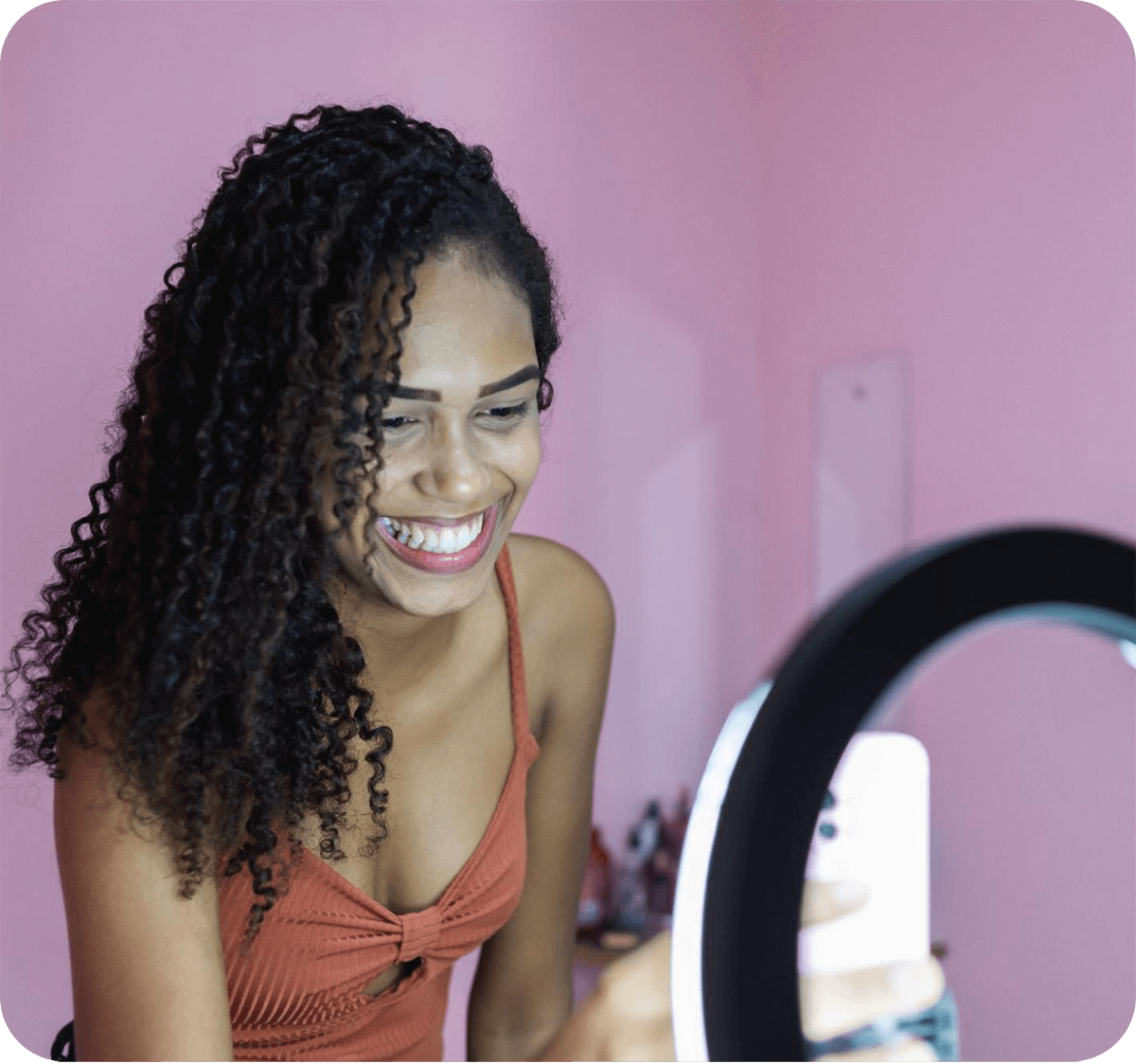
If you have not seen it before, it is very simple. A presenter goes live on a platform such as TikTok or Instagram, demonstrates products, answers questions in real time and viewers buy directly from the stream. It combines entertainment, social proof and immediate purchase.
While many Western brands are still debating whether TikTok Shop is worth testing, China has already built a live commerce machine that reaches millions of consumers in real time and converts at scale.
In China, live shopping is fully integrated into the retail ecosystem. Brands, creators and platforms operate in sync. Consumers move seamlessly between discovery, validation and purchase within minutes. The result is fast, highly engaging and commercially powerful.
The uncomfortable question for Western brands is not whether live shopping will grow. It is whether they will understand it before Gen Z and Millennial customers expect it.
Adoption in Western markets is slower today. But the direction is unmistakable. When live commerce scales here, it will not be gradual. It will accelerate quickly. The brands that treat China’s live shopping boom as a case study now will be the ones positioned to win when the shift becomes mainstream.
Live shopping is a serious channel, not a stunt
One of the biggest misconceptions I hear is that live shopping is a gimmick. In China, it is a core sales channel that drives revenue, launches products and builds loyal audiences.
I experienced this directly. Several years ago, I was asked to join a live stream with four hours notice. I ended up presenting to around 14 million Chinese consumers, speaking Mandarin as best as I could. It was exciting, frightening and commercially transformative. Sales increased immediately. Brand visibility grew. The impact was real.
The power of live shopping is the engagement. Customers can ask questions, see demonstrations and make decisions instantly. It sits at the intersection of content and commerce.
Micro creators drive sales, not celebrities
Many Western brands assume that live shopping must involve major influencers with millions of followers. The evidence from China shows the opposite.
The market has moved away from large personalities who promote products briefly and then move on. The most effective model now is micro creators with smaller but highly engaged audiences. These creators understand their community. They have credibility and they convert.
This is particularly clear in the cosmetics industry.
Beauty products rely on trust. Consumers want to see texture, application and real results in real time. In China, many beauty brands have scaled by partnering with networks of micro creators who demonstrate products live, answer questions and build ongoing relationships with their audiences. These creators do not just drive awareness. They drive purchase.
This makes live shopping scalable. Instead of relying on a handful of celebrities, you build reach through a broad network of relevant voices. Engagement increases, conversion improves and customer loyalty deepens.
I believe this is exactly where Western markets will go. The future of live shopping here is not about the biggest names, but about the most trusted ones.
Adoption will accelerate
Western platforms are still building the experience. Targeting is not yet as accurate as it is in China and consumers are still learning the format. This is why engagement numbers look low at the moment.
However, once consumers try live shopping and have a positive experience, they tend to return. The curve is likely to be slow in early stages, then accelerate rapidly. Brands should test early, learn quickly and be ready for scale.
This is what we have seen before in China. It starts gradually, then hockey sticks.
It is not only for Gen Z
There is a belief that live shopping and TikTok Shop only appeal to younger consumers. There is certainly a younger skew, but adoption is widening. Older consumers value convenience, ease and entertainment.
There are also channels that serve older demographics extremely effectively. QVC in the United States reaches around 14 million consumers every day, with an average age of over 60. These customers are not only buying for themselves. They are buying for partners, children and wider family. If you ignore that, you miss a significant opportunity.
Live shopping is not defined by age. It is defined by engagement.
Live shopping fits within an omnichannel strategy
This is the most important lesson from China. Live shopping is not a replacement for retail or ecommerce. It is part of an integrated ecosystem.
In China, customers do not think in channels. They discover, compare, learn and buy across multiple touchpoints. They may see something in a live stream, read reviews online, then visit a physical store. The journey is fluid.
This is exactly how Western markets will evolve. Live shopping becomes a way to build awareness, demonstrate value and drive interest. Conversion may happen on the stream, on a marketplace, on a brand website or in a store. It all works together.
Rove supports this by giving brands access to the data and connections they need. Our AI platform shows which channels matter in each market and connects brands with verified partners who can execute. Instead of guessing, you can make decisions with clarity.
Test, learn and prepare
My advice is simple. Do not wait for live shopping to be established before trying it. The brands who benefit most will be the ones who experiment early.
Test formats. Test products. Test creators. Learn what works and what does not. When the curve accelerates, you will be ready.
With Rove, brands can understand where live shopping is relevant, which markets value it and which partners can help. You can see the data and act with confidence.
The opportunity is ahead
Live shopping will not replace anything. It will sit alongside everything. It offers entertainment, information and the ability to buy in one moment. When the right products, creators and platforms align, the results are significant.
This has already happened in China. The Western markets are not far behind. Those who prepare now will gain a real advantage.
This is a rapidly growing channel. It is worth learning how to use it.
Stop wondering where. Start knowing how.